Coding agents: in real workflows they complete fewer than one in ten tickets
- AI agentica
- Casi d'uso
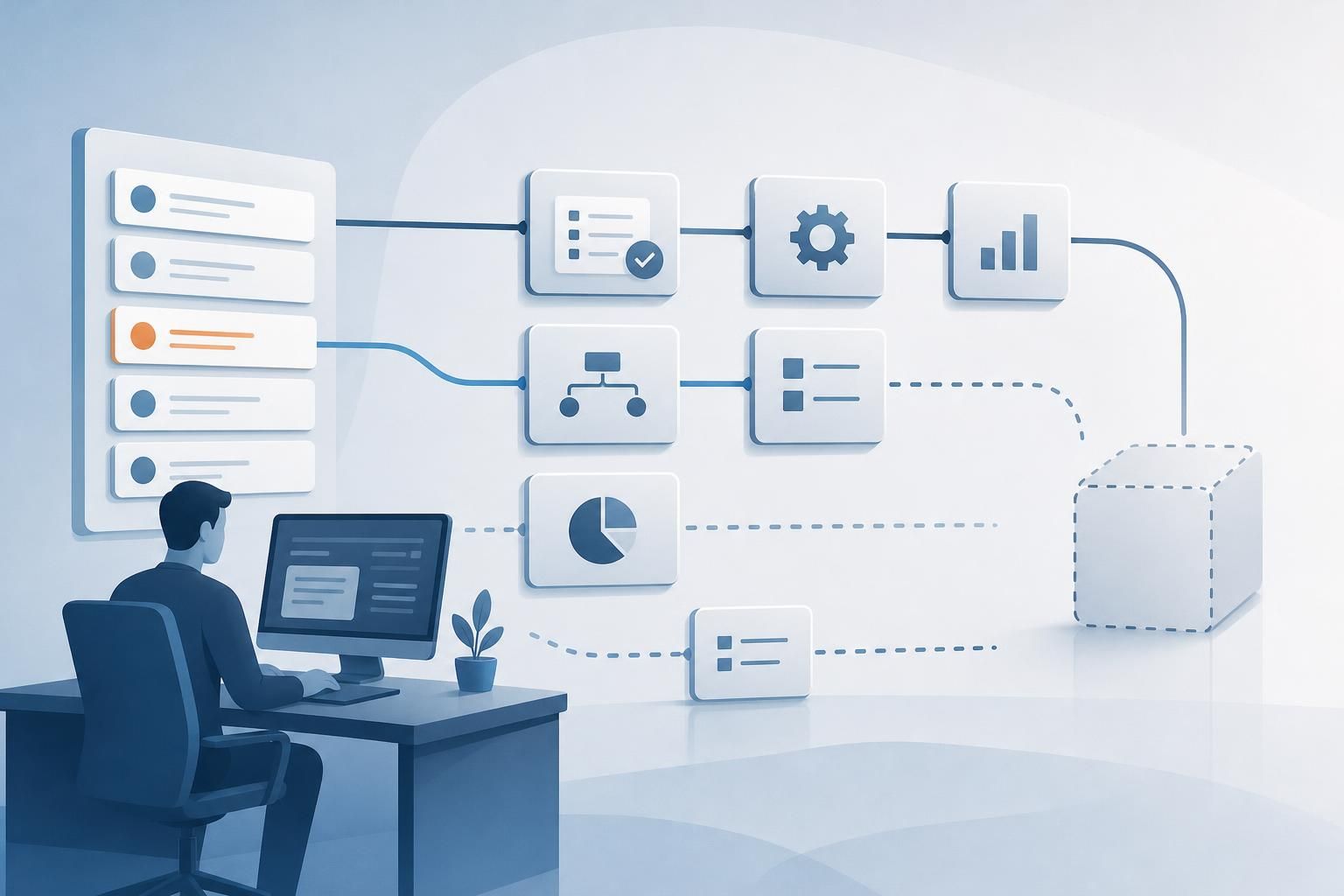
A new test described by The Decoder puts coding agents to the test not on isolated exercises, but inside an environment that simulates the day-to-day work of a software team. The point is not to measure the ability to generate code in the abstract, but to verify whether models can close out complete tasks when they must navigate tickets, conversation history, project context, and chained operational steps. In this scenario, even the systems described as the best of the current generation complete fewer than one task in ten end to end.
The figure is significant because it runs counter to the impression left by many now highly optimized benchmarks. On narrowly defined and well-scoped tests, coding agents can achieve very high results; when the work takes the form of a real process, however, different limits emerge: incomplete understanding of context, difficulty maintaining consistency across multiple steps, and lower reliability in carrying an assignment through from start to finish. In other words, the gap between “solving a technical problem” and “working as a member of the team” remains wide.
For IT leaders and for those evaluating development automation, the news suggests a more cautious reading of the productivity promised by software agents. The issue is not whether they can write code, but how robust they are when inserted into flows with dependencies, distributed information, and completion criteria that are less rigid than those of a benchmark. This changes how pilots should be designed: not as an autonomous replacement for human work, but as support to be channeled into controlled processes, with supervision, clear operational boundaries, and intermediate checks.
For the veriax.ai audience, the result is useful above all at the methodological level. Evaluating an agent within a realistic process provides a more concrete indication of its operational value than isolated tests or guided demos. When the goal is to introduce agentic AI into regulated or complex business environments, orchestration, traceability of actions, and the presence of a human operator at critical points matter at least as much as the quality of the code produced.
Source: The Decoder, 22 November 2026